
Shuangqiao Valley Guide: Everything You Need to Know Before You Go
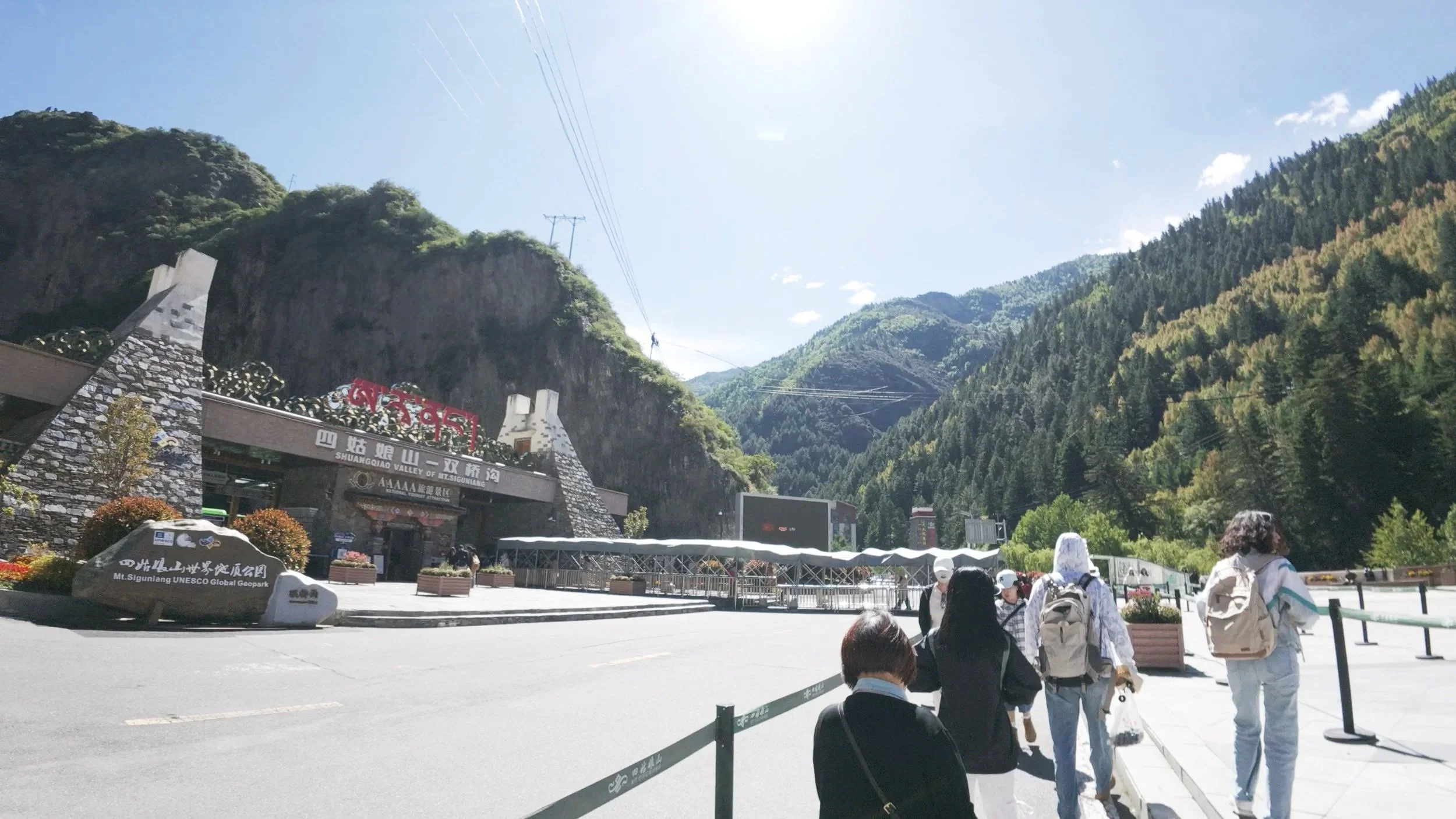
My friends and I spent a day in Shuangqiao Valley (双桥沟) as part of our 2-week trip across China, and honestly, it ended up being one of the most underrated stops of the whole trip.
This is the full breakdown for anyone planning to visit Shuangqiao Valley specifically — not the whole of Mount Siguniang, just this valley. Whether you're doing it as a day tour from Chengdu or staying overnight in the area like we did, here's everything I wish I knew before going.
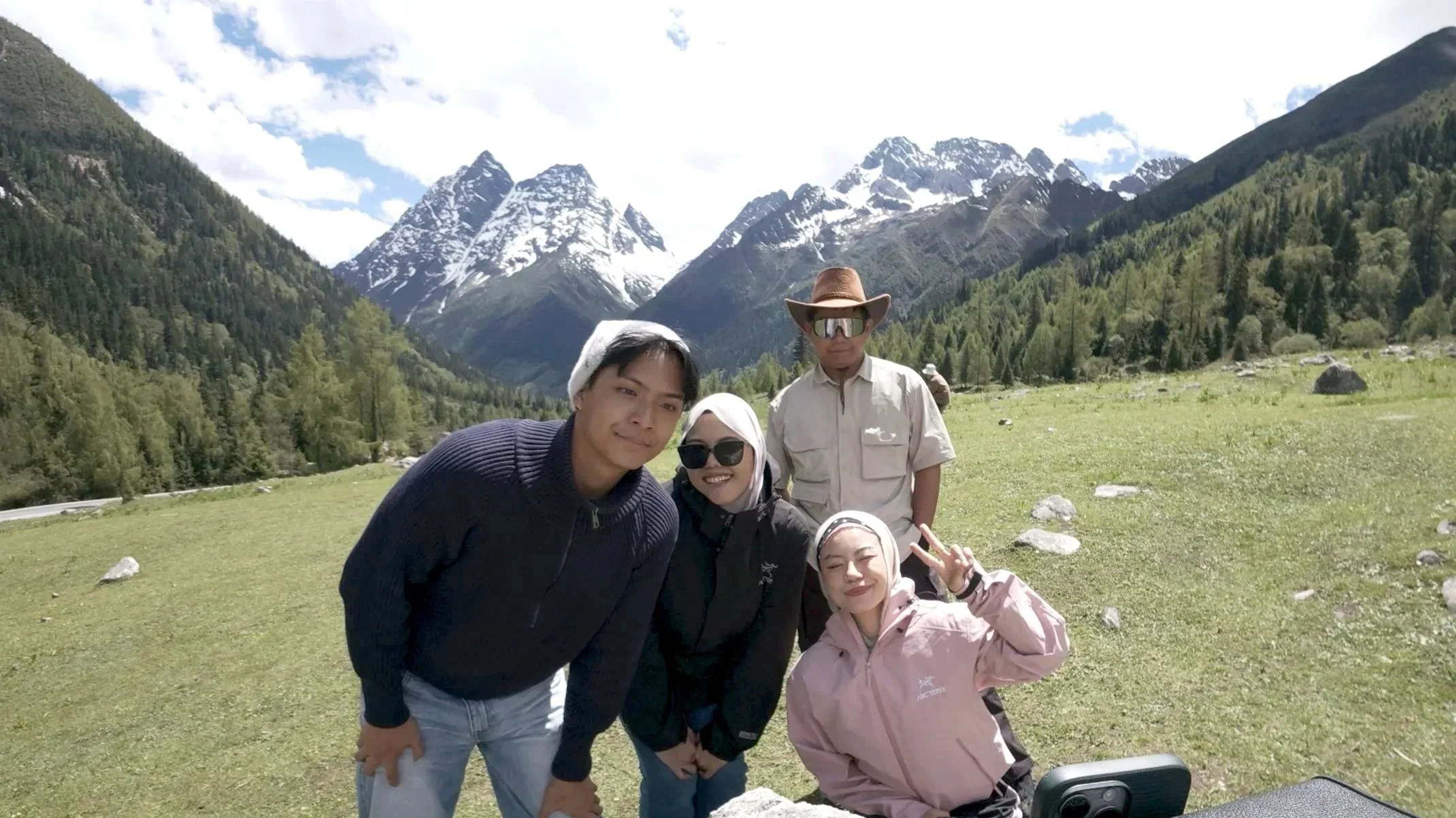
Quick Facts Before We Start
Distance from Chengdu: around 210km, roughly 4 to 5 hours by car via Dujiangyan and Wolong
Distance from Siguniangshan Town: about 7km, so still a short ride even if you're based in town
Opening hours: 7am to 5pm (April to November), 8am to 5pm (December to March)
Altitude: ranges from around 3,500m at the entrance to 3,850m at the highest point
Length of valley: 34.8km, making it the largest and longest of the three valleys in Mount Siguniang National Park
Ticket price: from SGD 37 (RM 117) on Klook (covers entrance + sightseeing bus) — use code EXPLORETOMAKANKLOOK or NURULMIMSYKLOOK for a discount
1. Know Which Valley You're Actually Visiting
Mount Siguniang National Park has three valleys — Shuangqiao, Changping, and Haizi — and Shuangqiao Valley is the largest, most developed, and easiest to explore of the three. It's also the one with the most mature facilities, which honestly makes it the best starting point if it's your first time in the area.
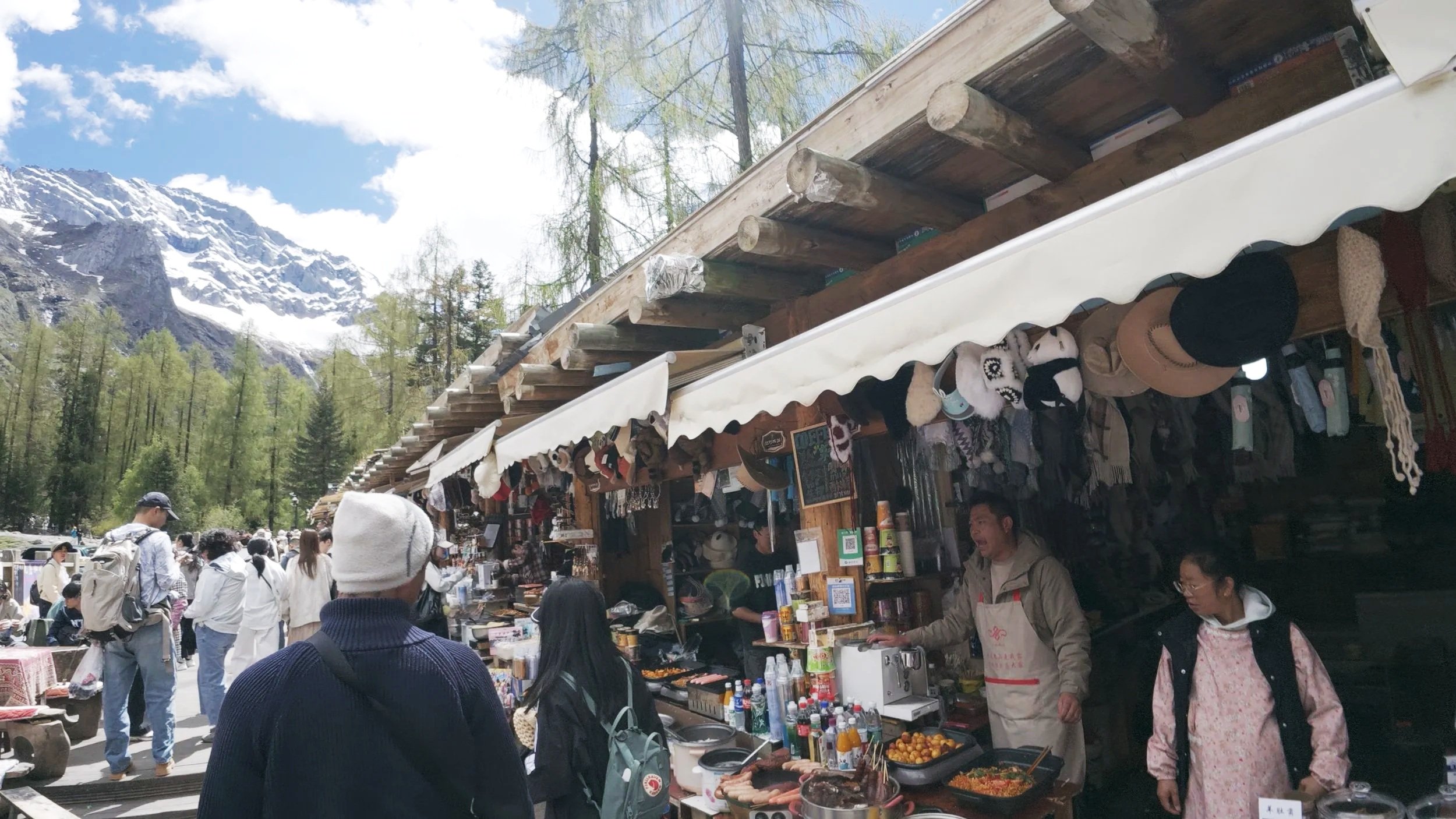
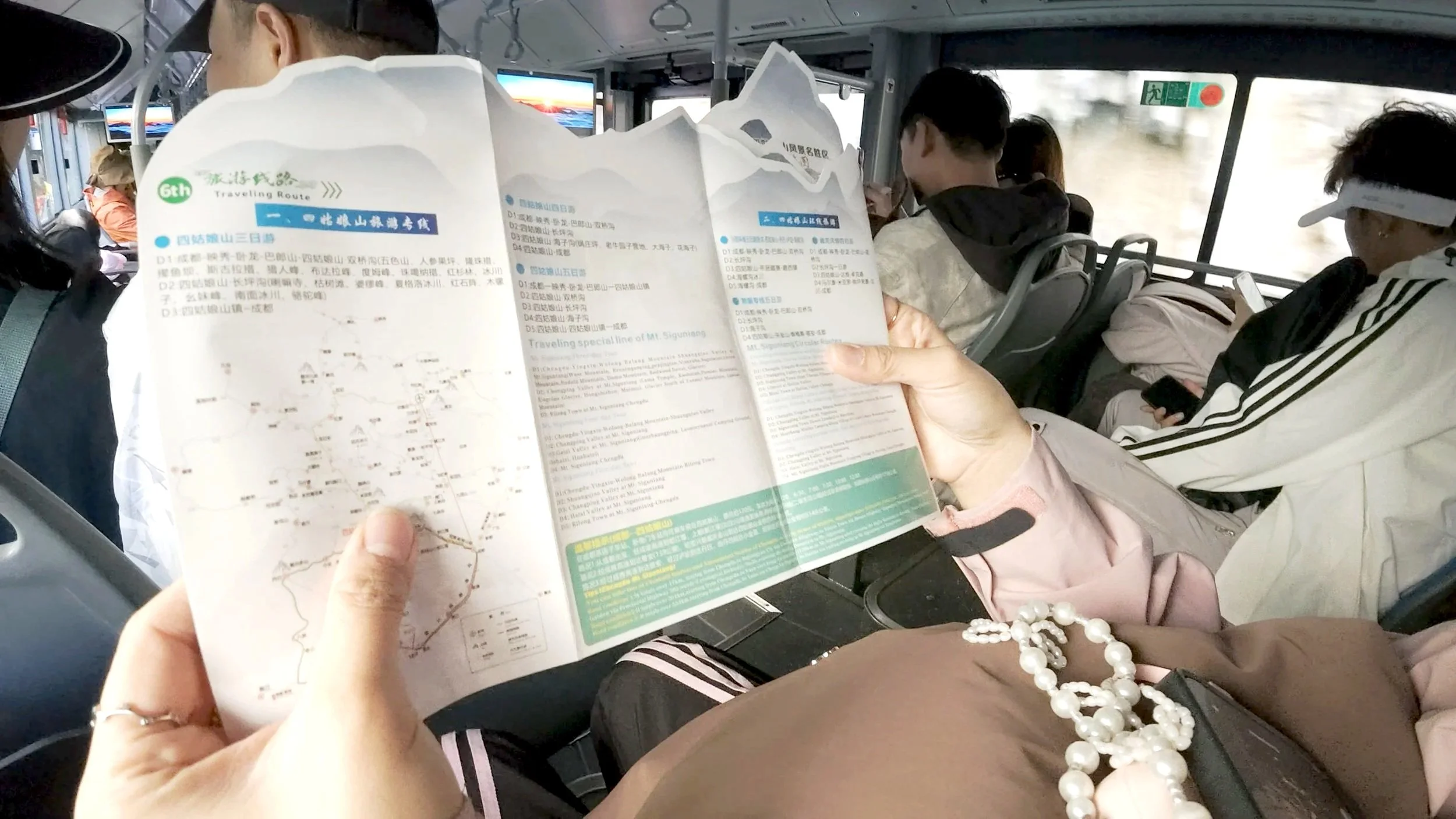
One thing to note though: you won't get views of the four snow peaks themselves from inside Shuangqiao Valley. If seeing the peaks up close is your main priority, Changping or Haizi Valley might serve you better. But if you want the easiest, most scenic, least physically demanding option, Shuangqiao wins.
We chose to stay in Mount Siguniang for 3 days, but if you're not planning to stay overnight, a day tour from Chengdu is your next best option.
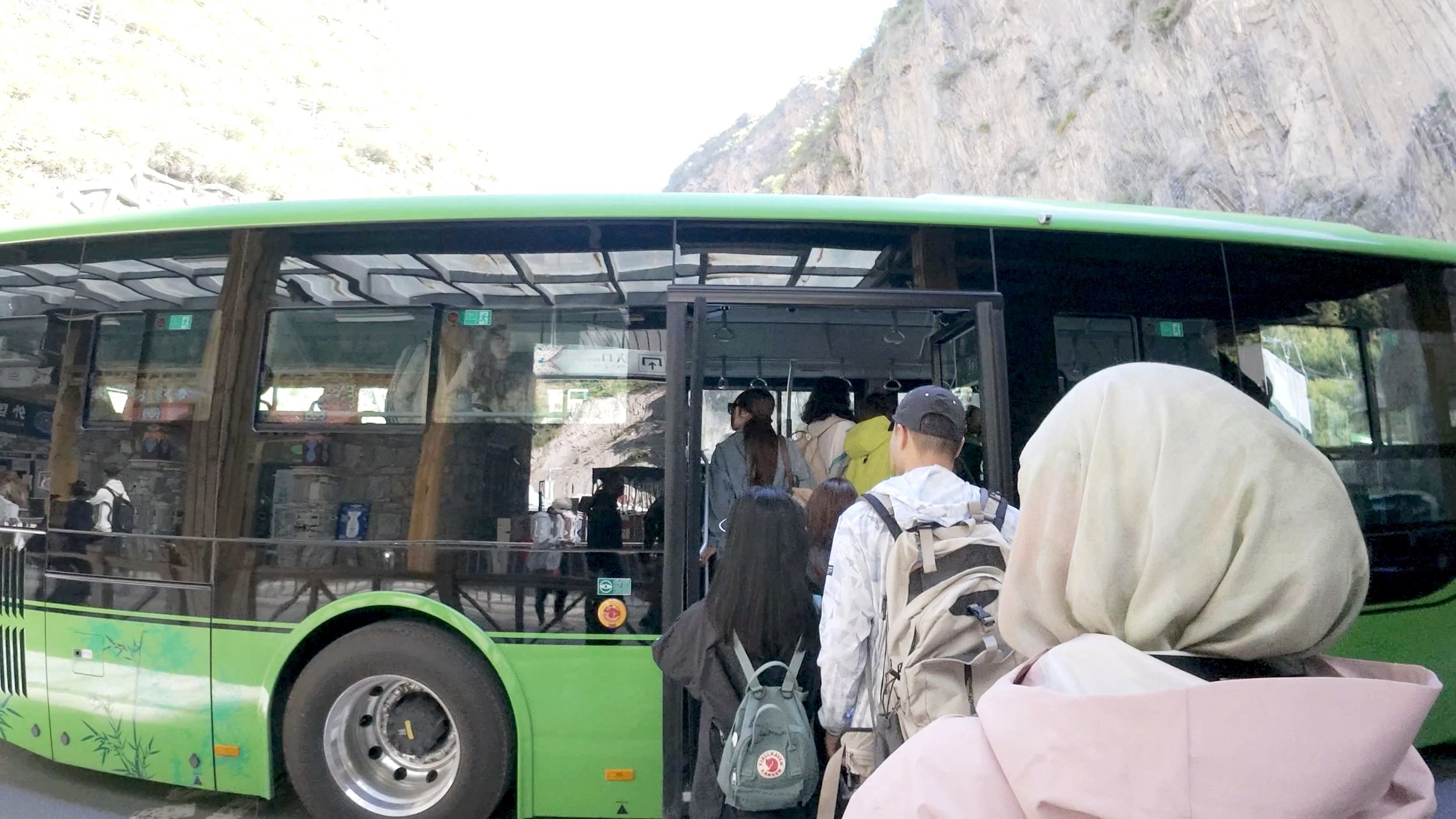
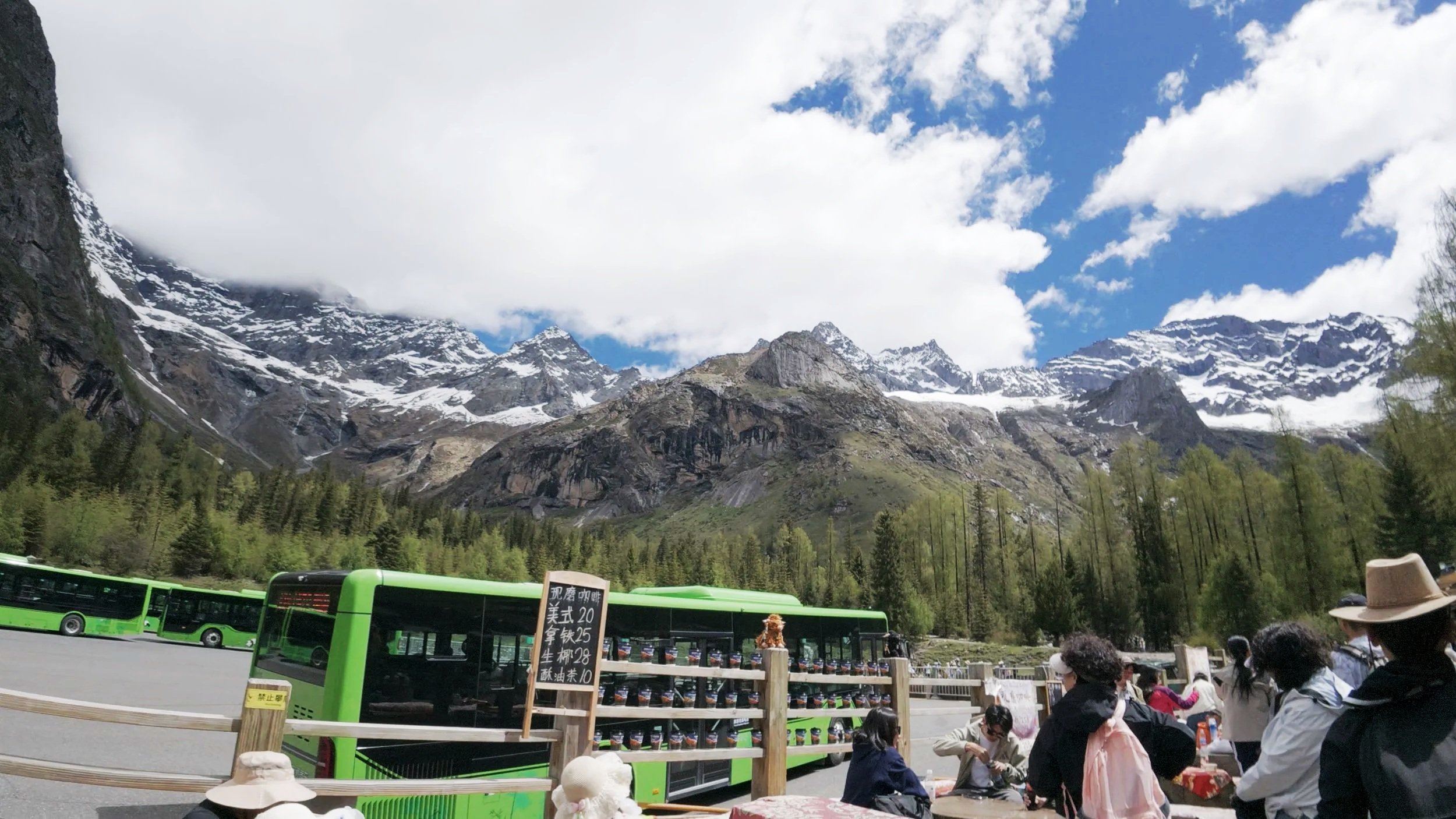
2. You Need the Sightseeing Bus (No Private Cars Allowed)
This place is huge, so the sightseeing bus isn't optional — private cars aren't allowed inside the valley at all. The bus takes you all the way up to the Red Cedar Forest (红杉林) at the very top, sitting at around 3,850m, and from there you make your way back down, stopping at each scenic spot along the way.
Along the route, you'll pass spots like:
Five-Color Mountain — a rock formation showing bands of red, yellow, green, blue, and white, best seen in clear weather
Pearl Shoal / Natural Basai — meadows and streams lined with old seabuckthorn trees
Potala Peak — a viewpoint with prayer flags and a white stupa, one of the more photogenic stops
Fishing Bay — open meadows with a Tibetan-style wooden trestle
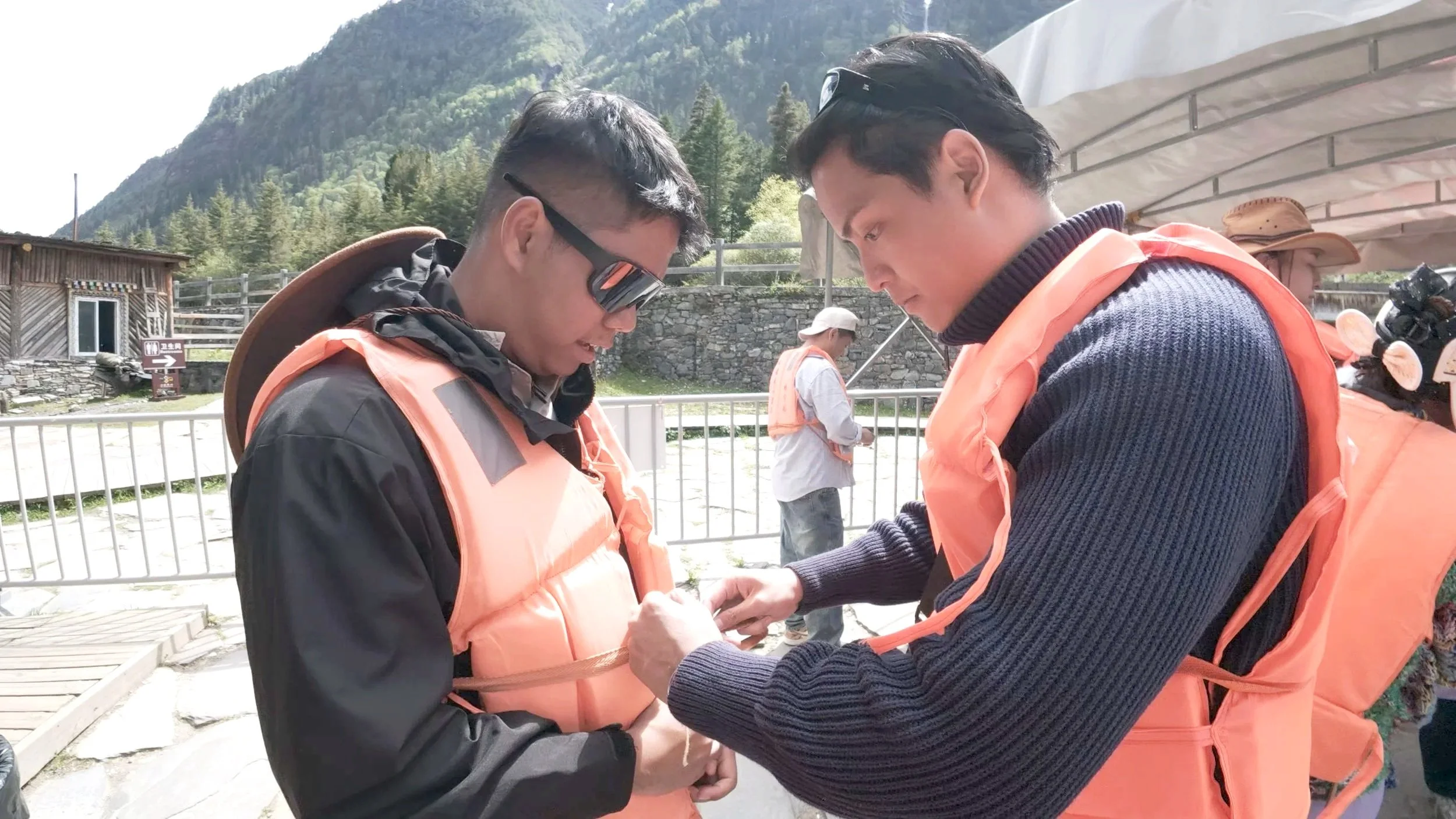
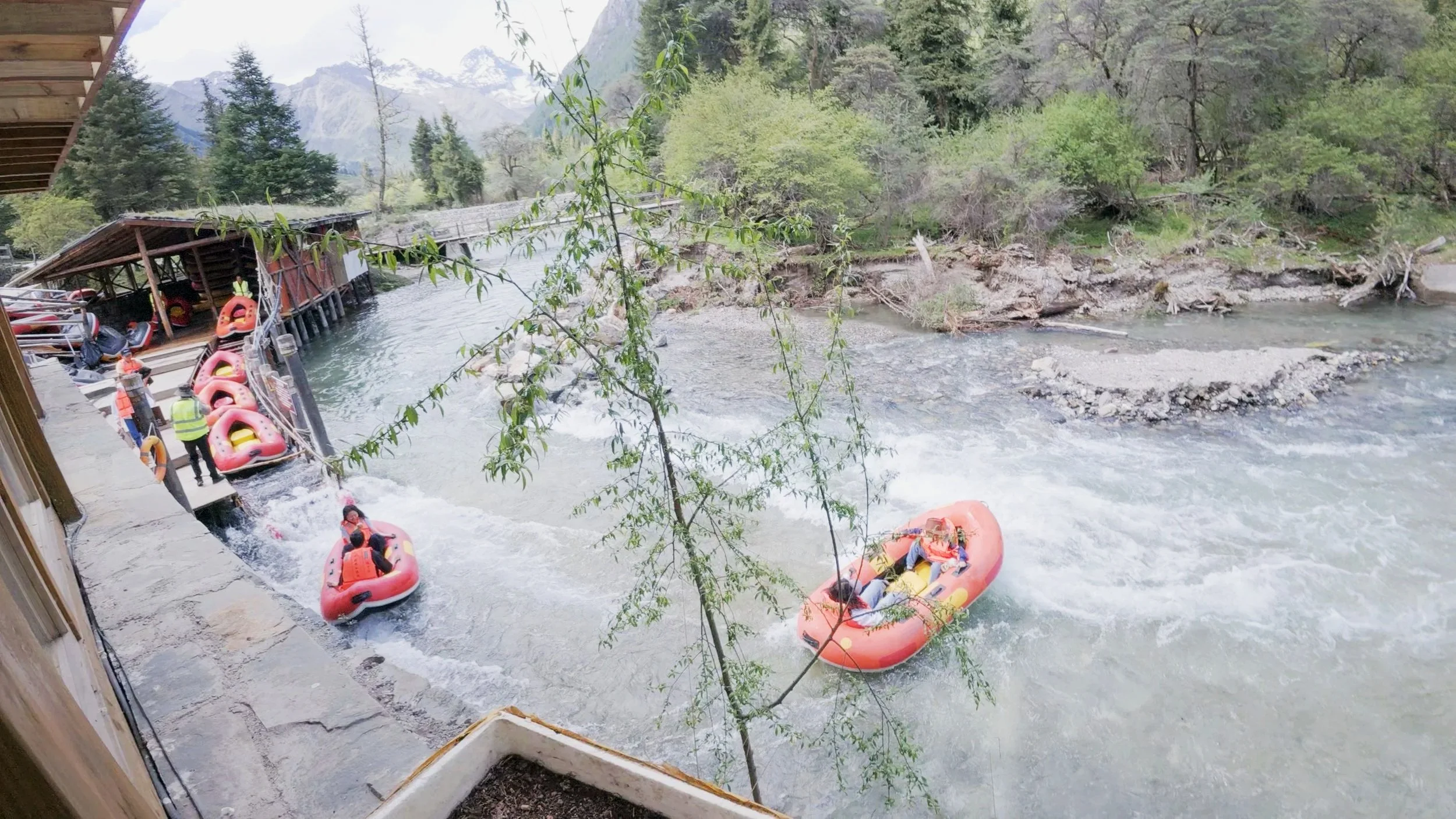
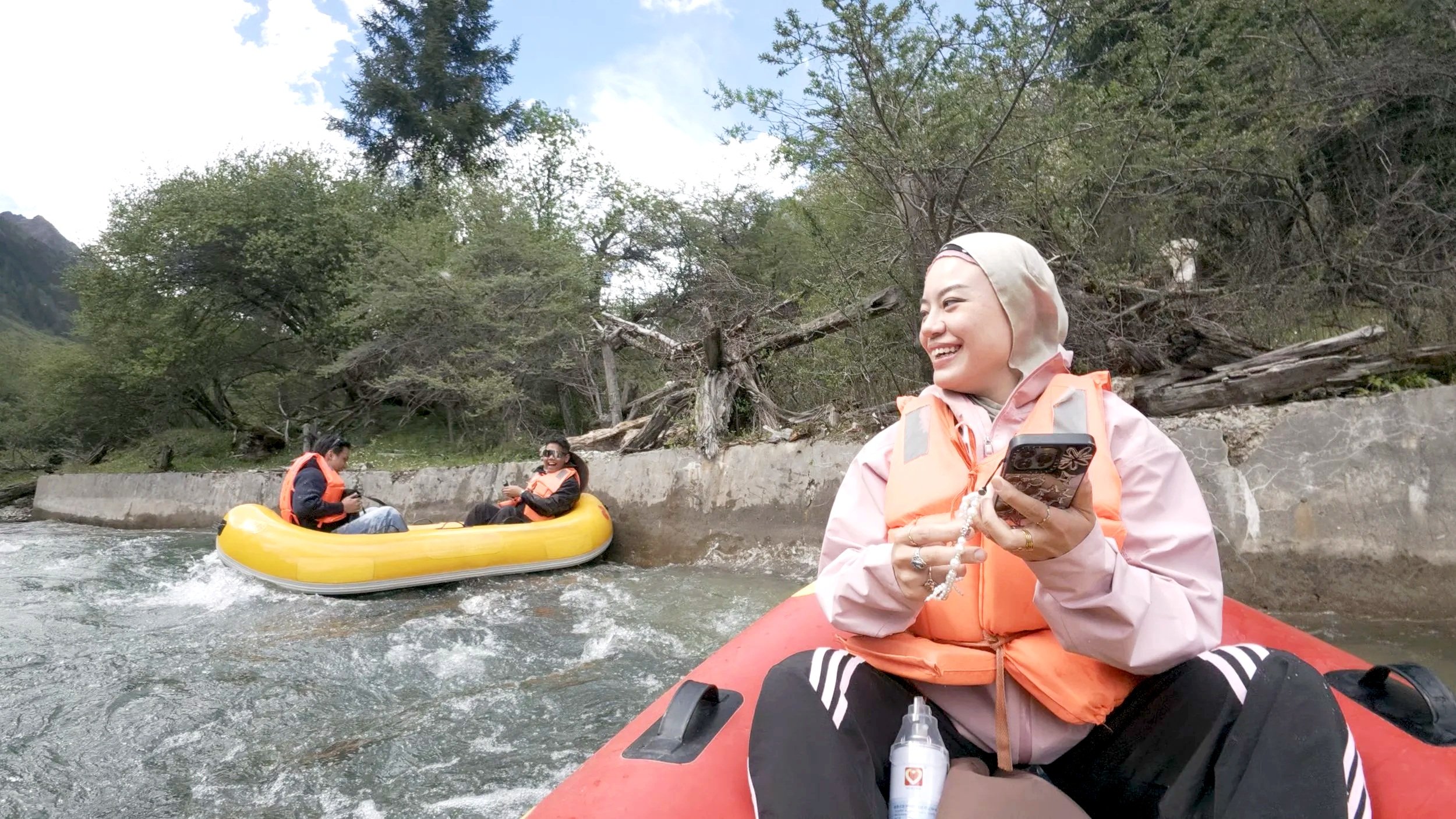
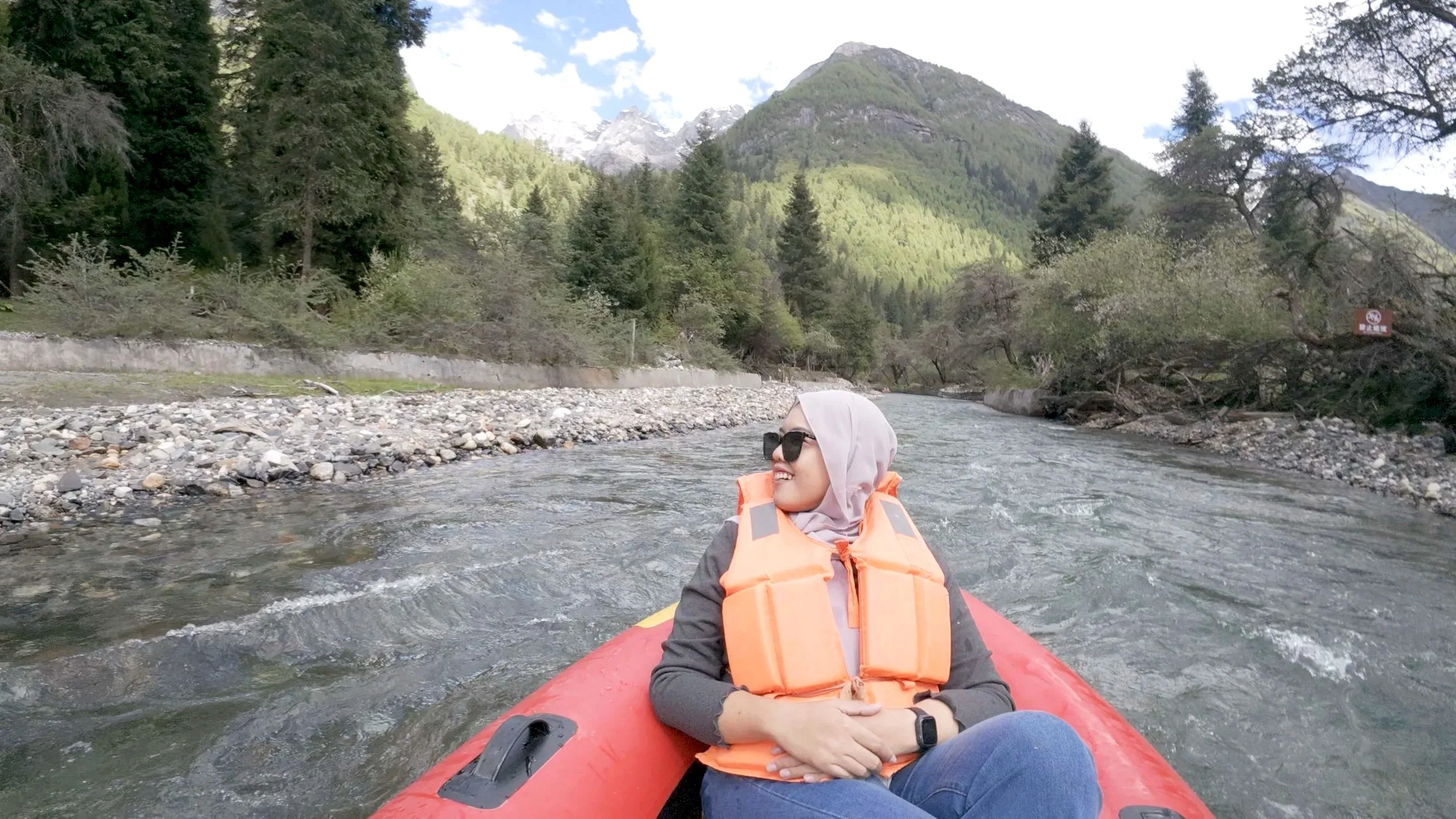
Some travellers also try the rafting at Nianyuba — we did this too. It's RMB90 (SGD17 / RM54) per person, paid on the spot, no pre-booking needed. You just walk in and queue. A personal floatation device is loaned to you for the ride, but heads up — all bags have to come with you on the raft, so leave the big bags behind and just bring what you can hold onto.
I'd recommend blocking out a full day for this and making full use of the shuttle. We managed to hit all the spots we wanted and even tried the rafting experience, and even then, we still wished we had more time to explore and take photos.
Book your Shuangqiao Valley entrance and sightseeing bus ticket in advance on Klook — it's listed at SGD 37 (RM 117) and covers both entrance and bus. Use code EXPLORETOMAKANKLOOK or NURULMIMSYKLOOK at checkout to get it even cheaper.
3. Come Prepared for the Altitude
The valley sits between 3,500m and 3,850m, so if you're coming straight from Chengdu (which is practically at sea level) or you're just not used to high altitudes, your body will feel the difference.
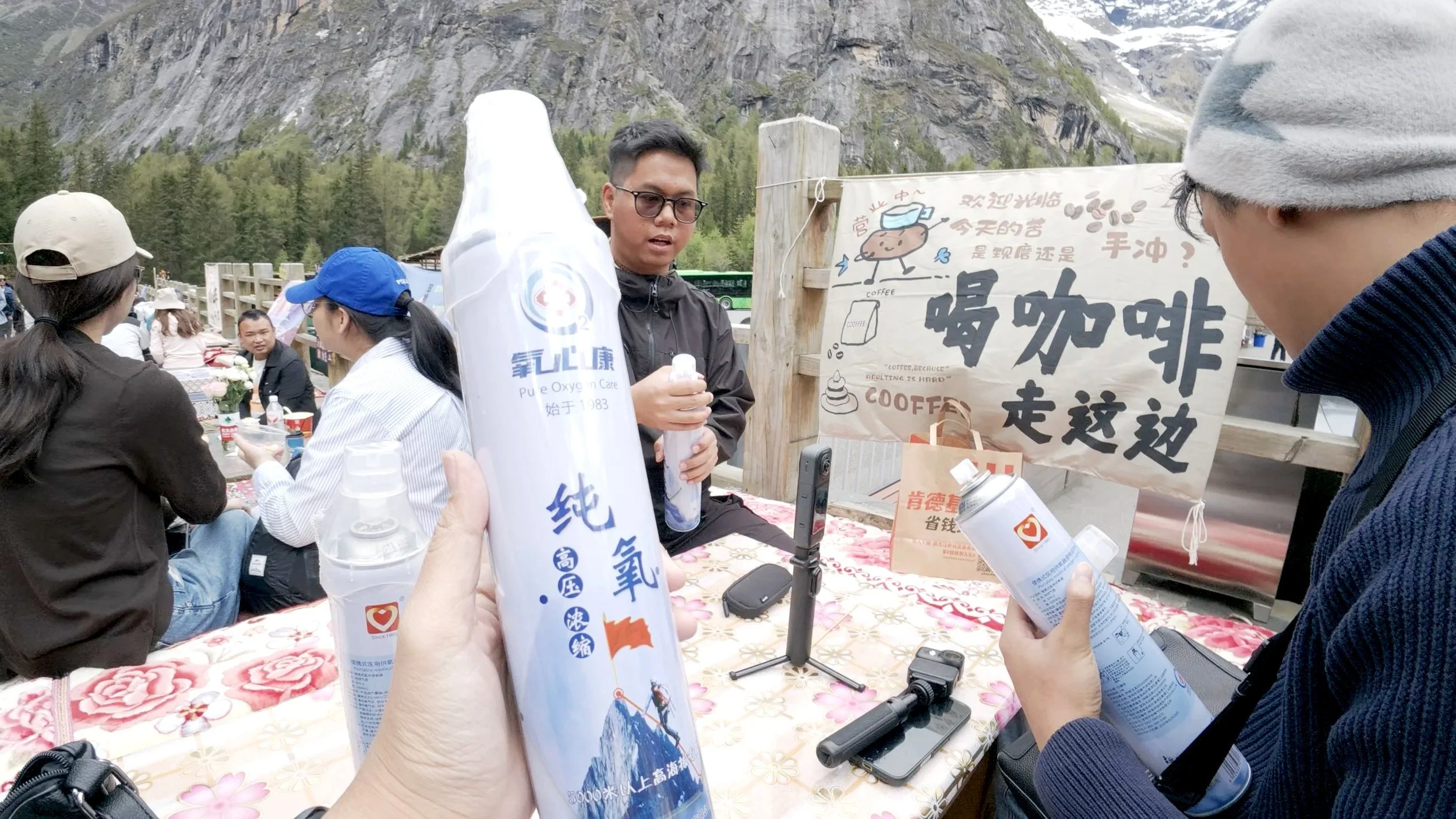
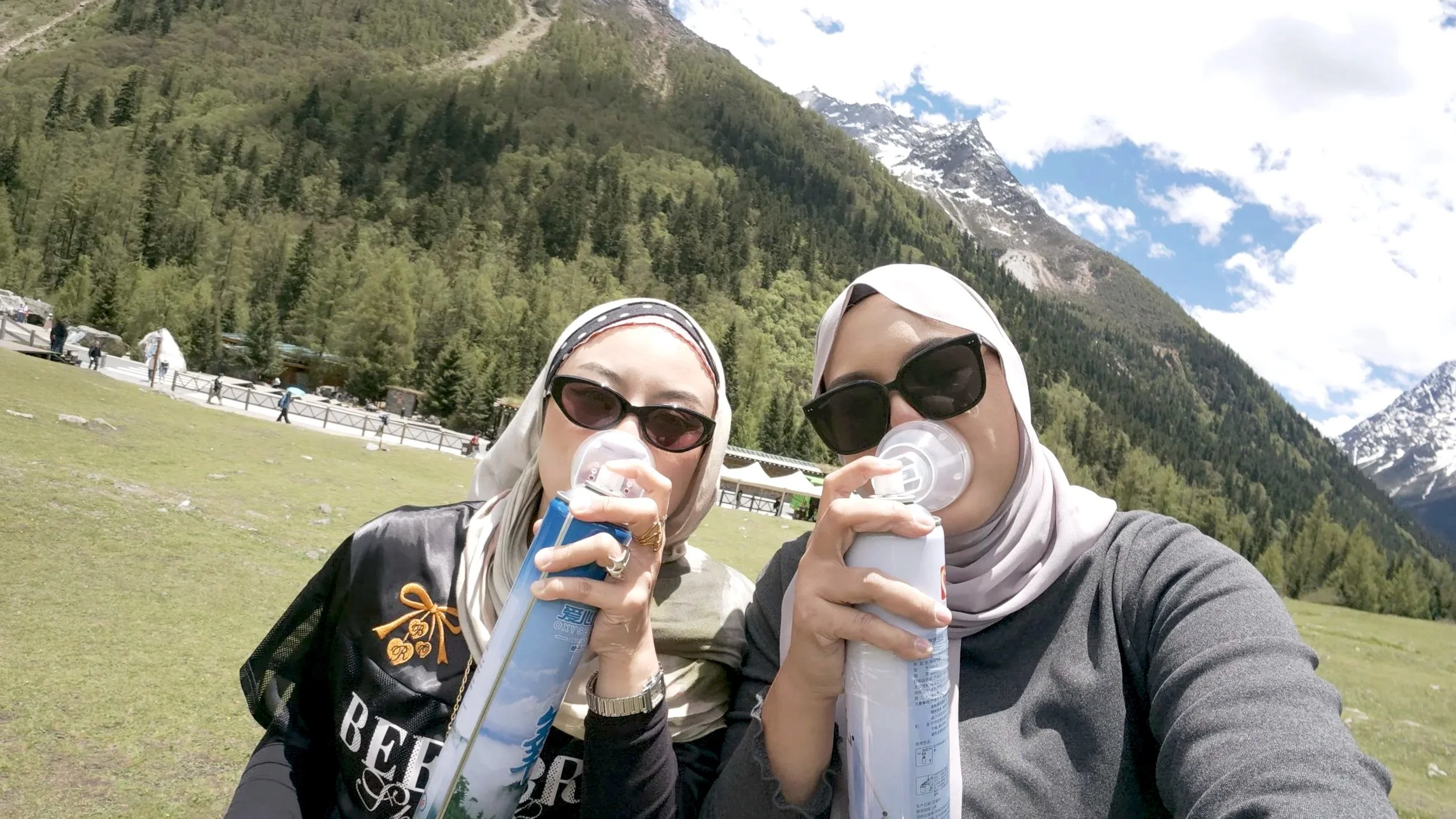
Oxygen supply stations are available at the top near the Red Cedar Forest, but I'd still recommend coming prepared with your own altitude sickness medication just in case. Better to have it and not need it than the other way around.
Also worth knowing: the temperature swings a lot in a single day here, cold in the mornings and evenings, surprisingly hot at noon. Layer up if needed and always check the temperature before going.
4. Book Ahead, and Don't Forget Your Passport
Book your tickets before you go, not when you're already there. We booked ours through Klook, and it saved us the hassle of queuing at the counter entirely — we just showed our booking confirmation that morning and exchanged it for physical tickets on the spot.
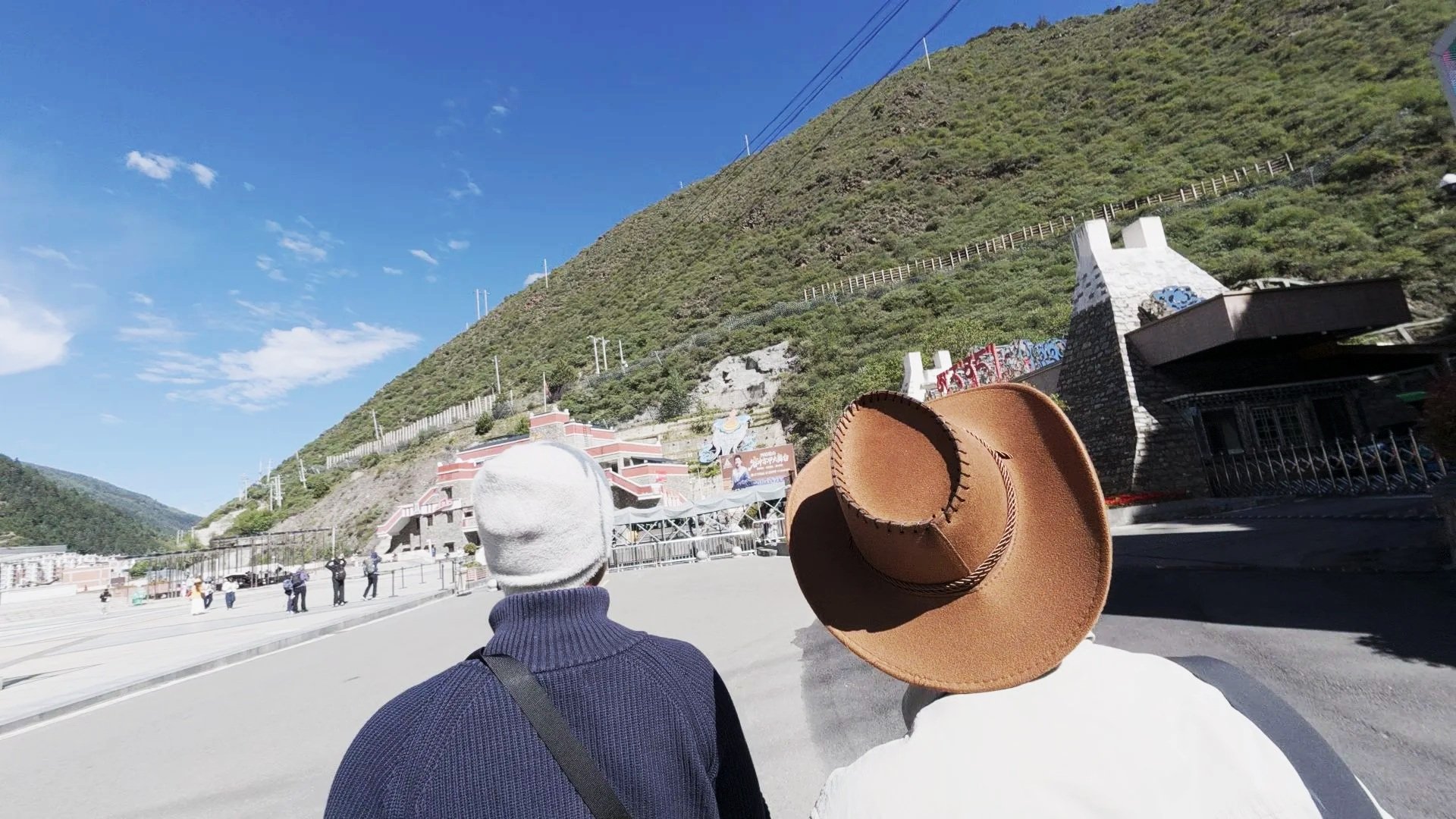
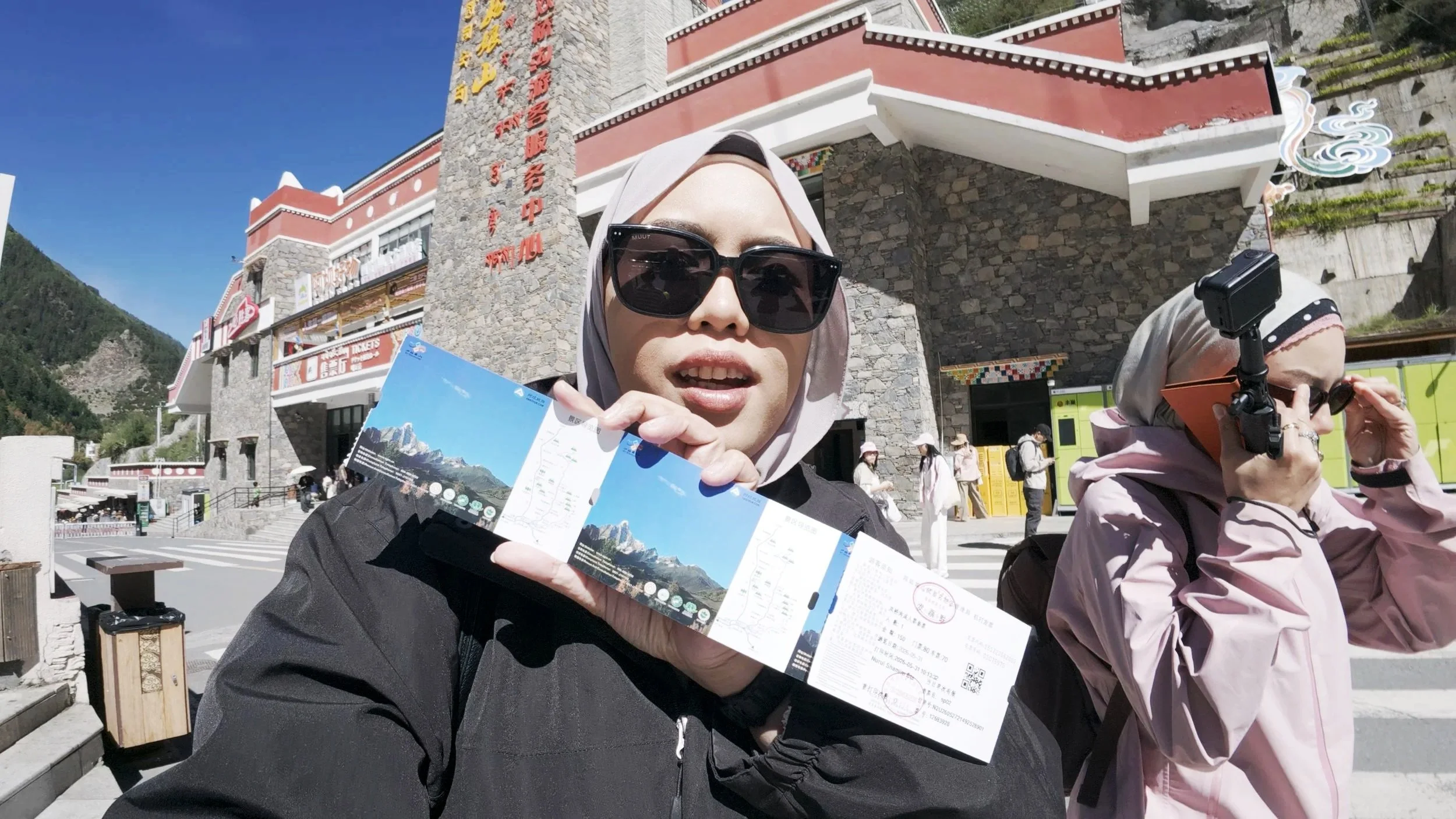
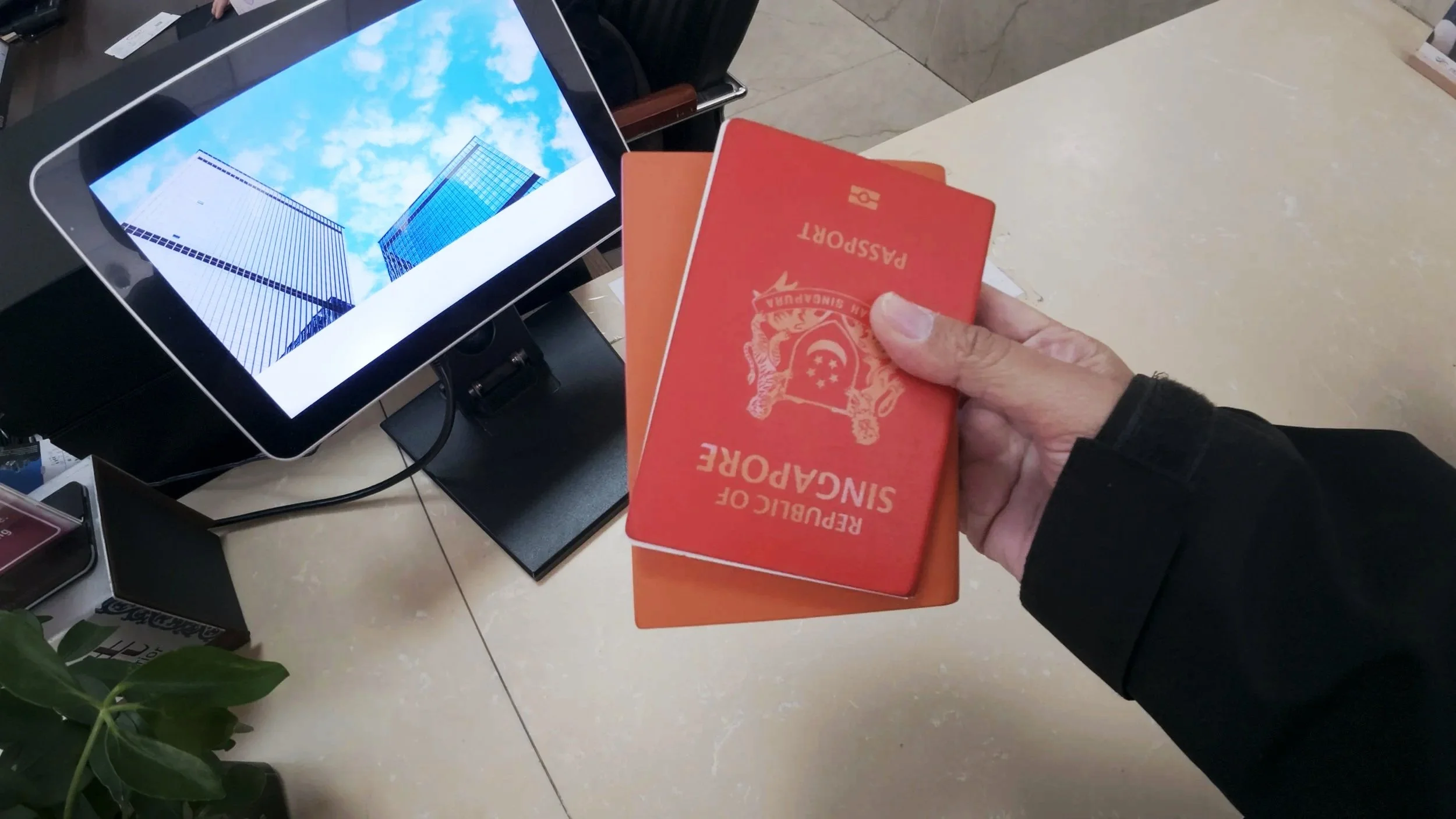
One thing you can't skip: bring your passport. You'll need it for park entry, and they check every single one, as the ticket will have your full name printed on it. Also, download offline maps before you head up — the signal can get pretty weak once you're deep in the valley.
5. The Halal Food Situation
There are some vegetarian options around, but don't expect to find a halal-certified restaurant in the area. As a Muslim traveller, my general advice is to always come prepared and be self-sufficient — bring ready-to-eat meals or snacks with you so you're not caught out.
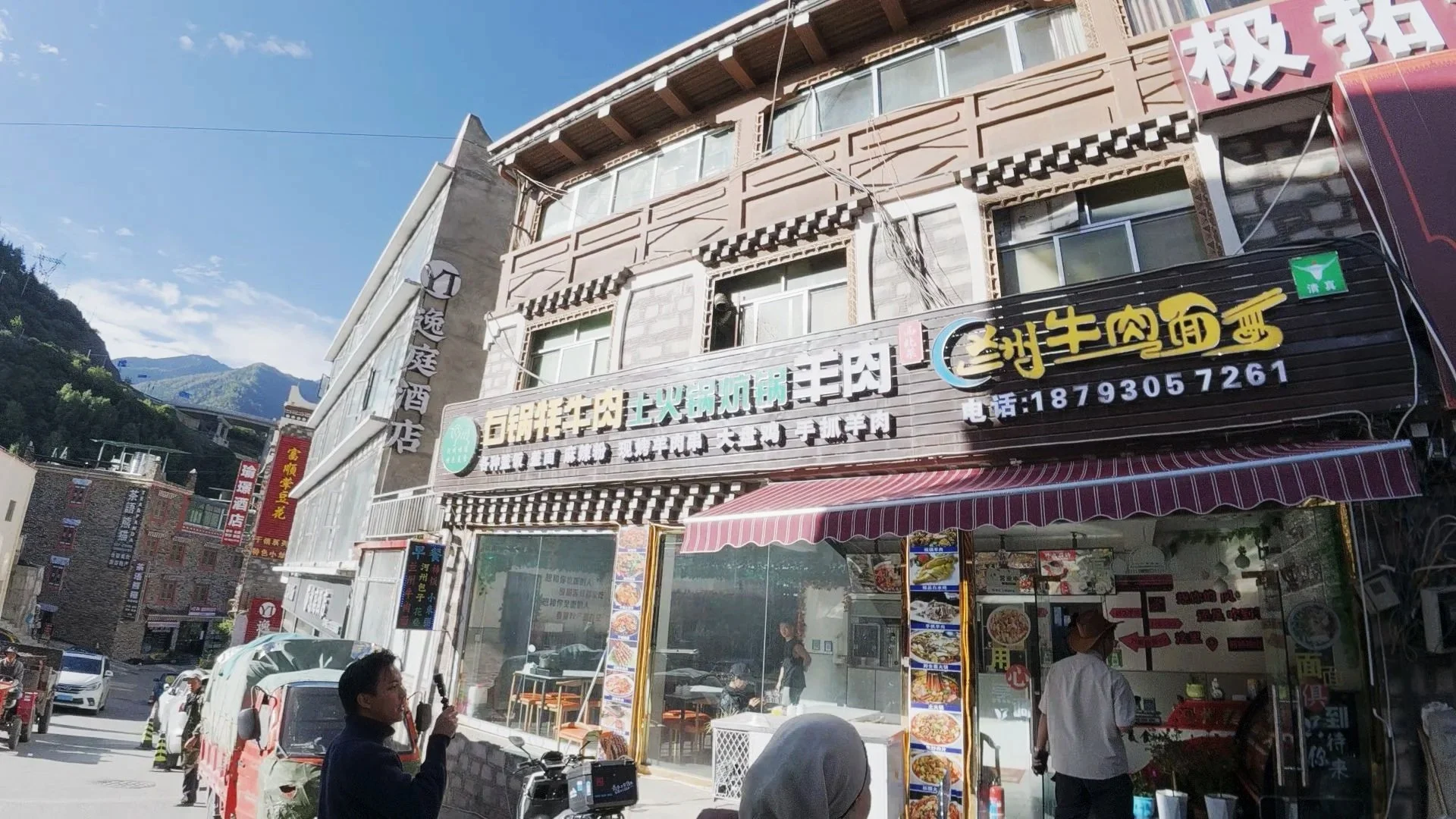
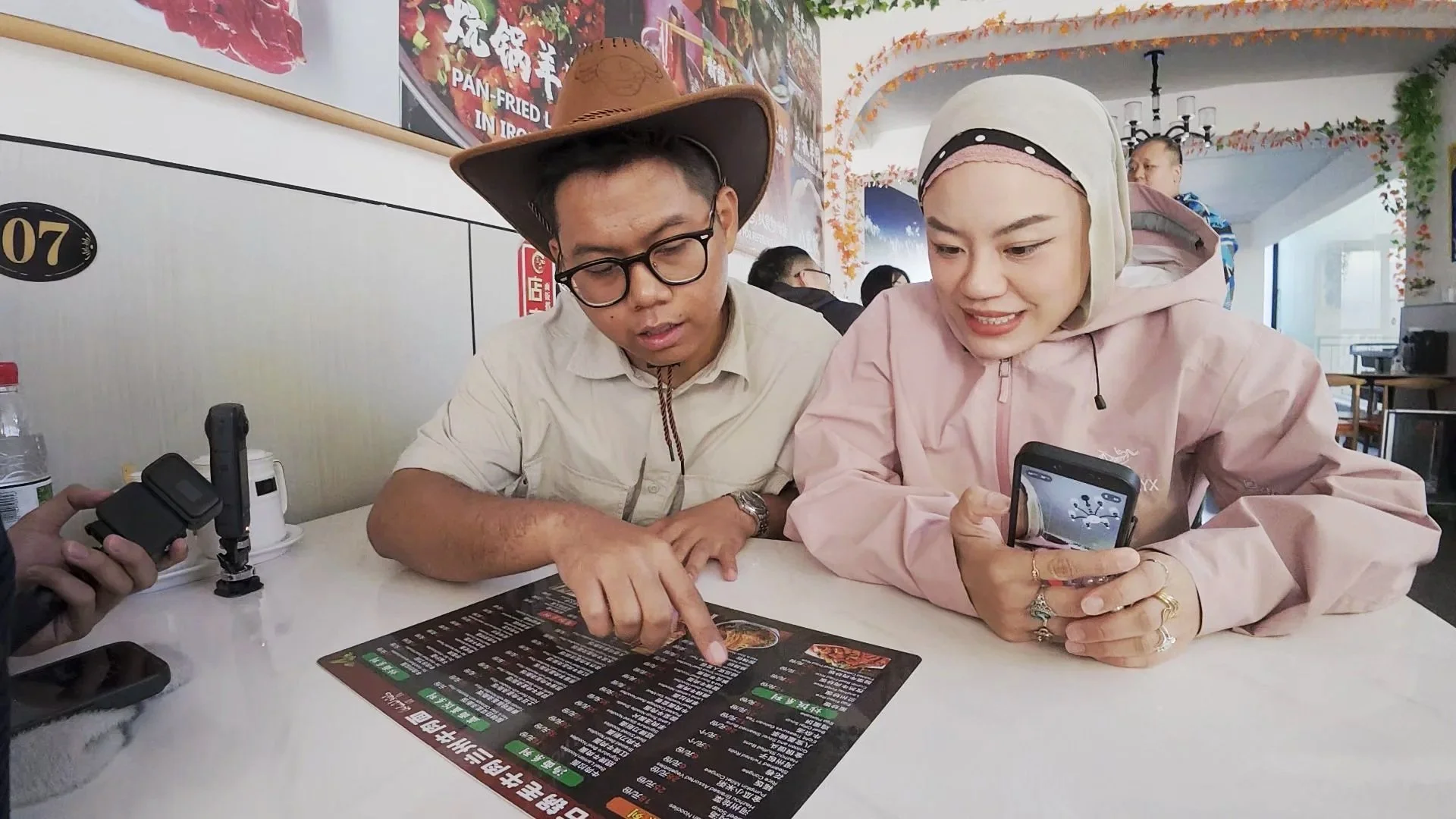
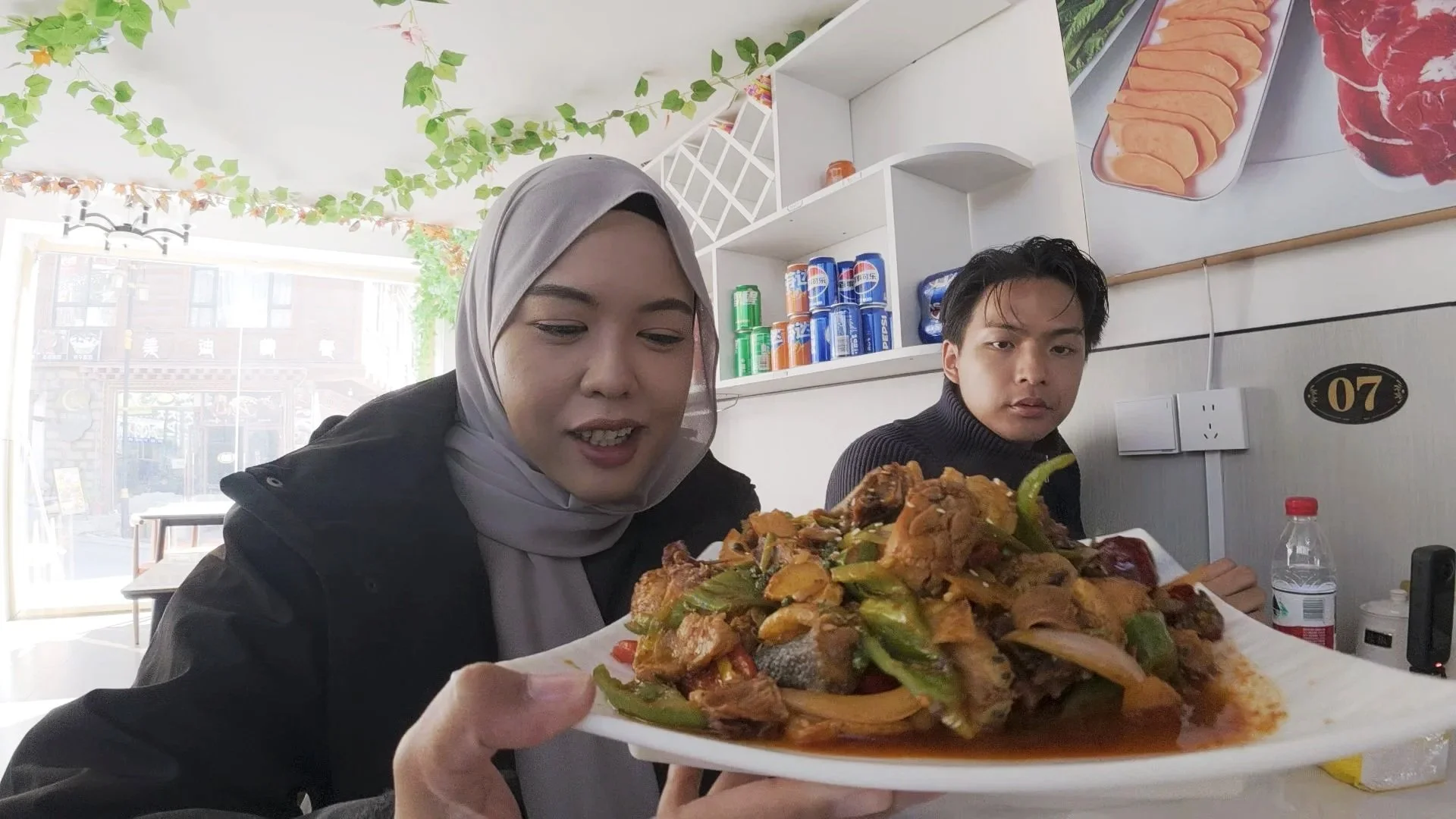
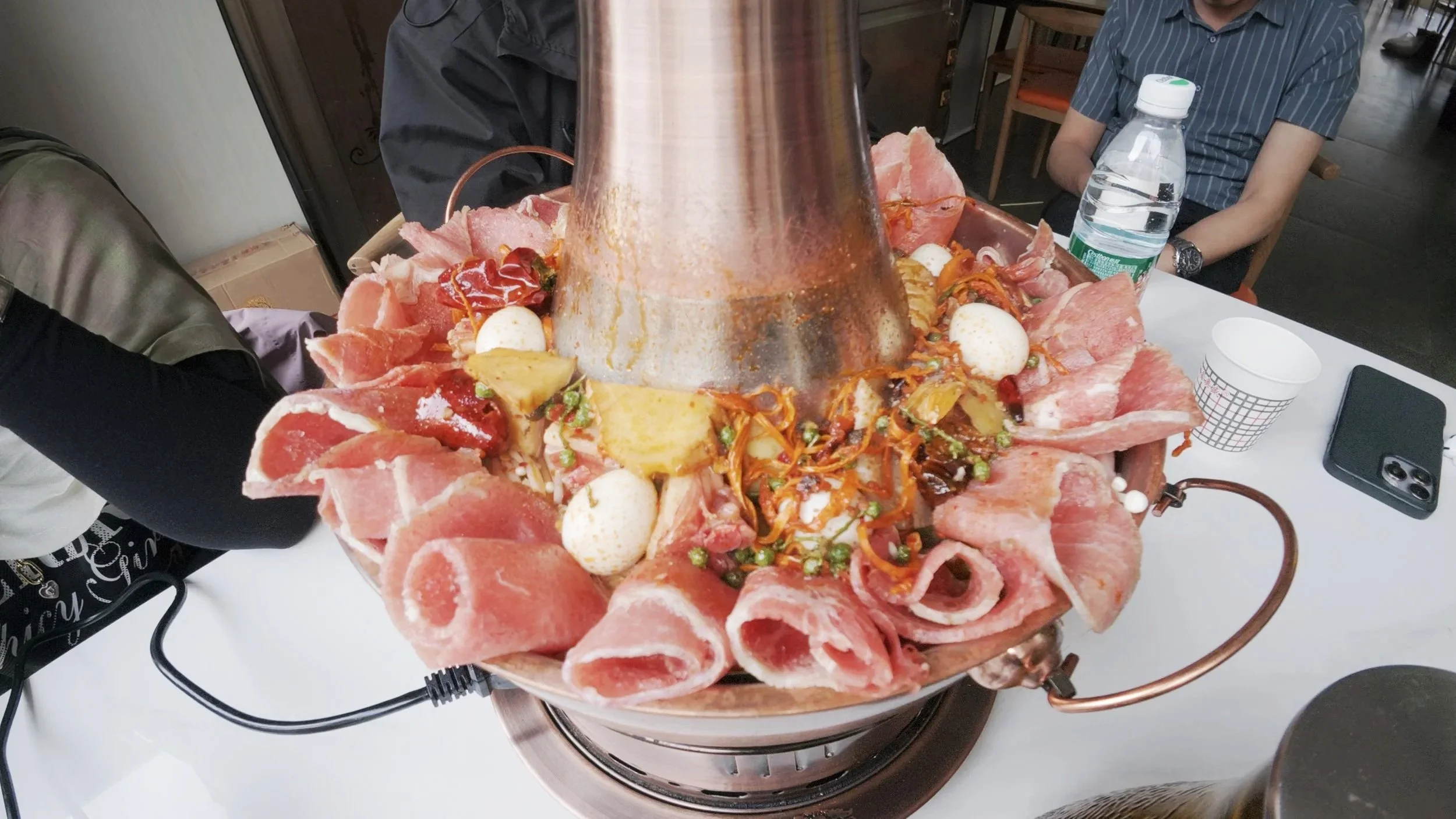
For the four of us, we decided to skip lunch altogether and relied on snacks while we were inside Shuangqiao Valley. However, we did have a super heavy breakfast before the day started and an even heavier dinner at the only halal restaurant in Mount Siguniang.
For more on how I navigate halal travel, check out my halal disclaimer.
Best Time to Visit
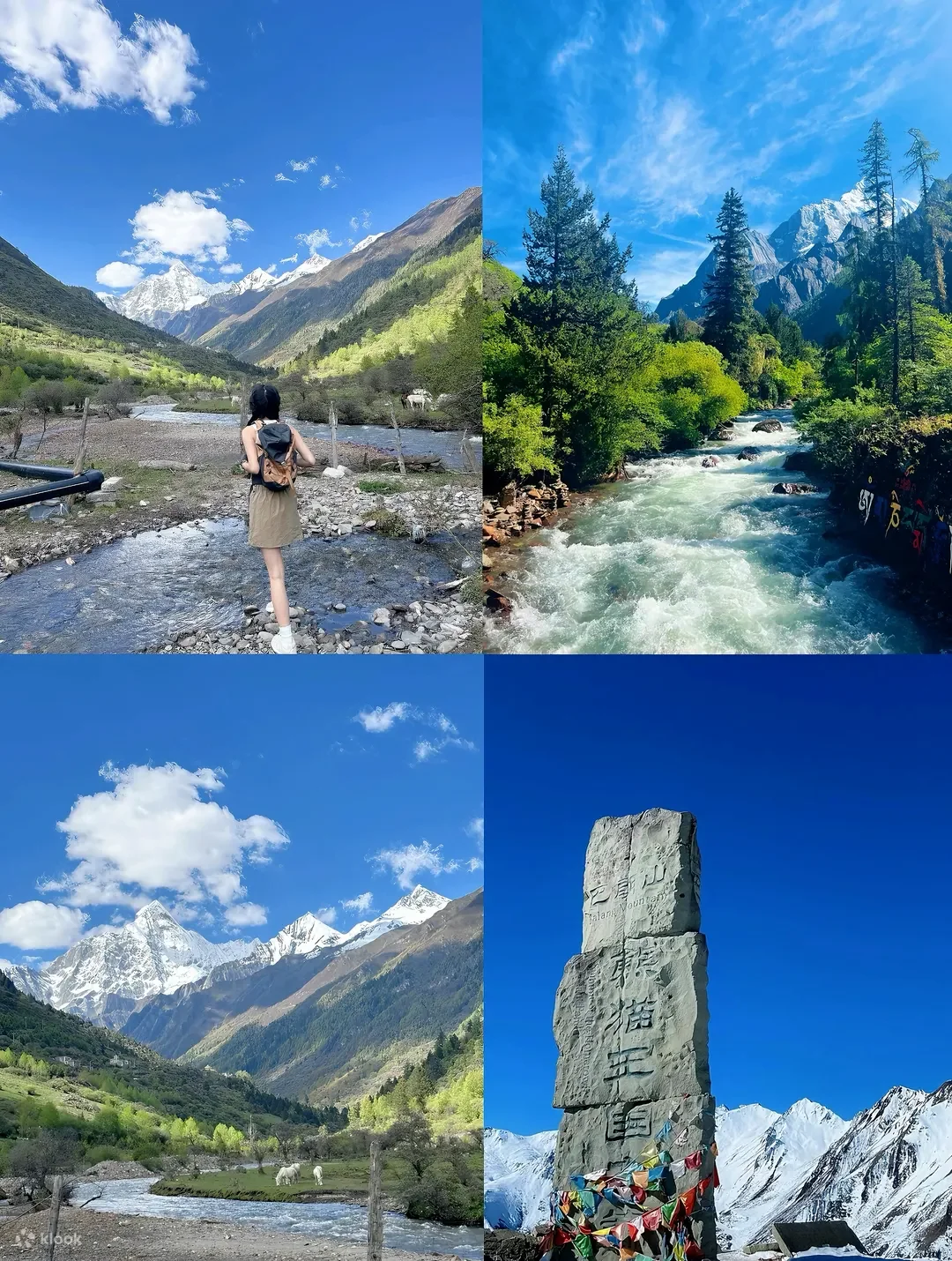
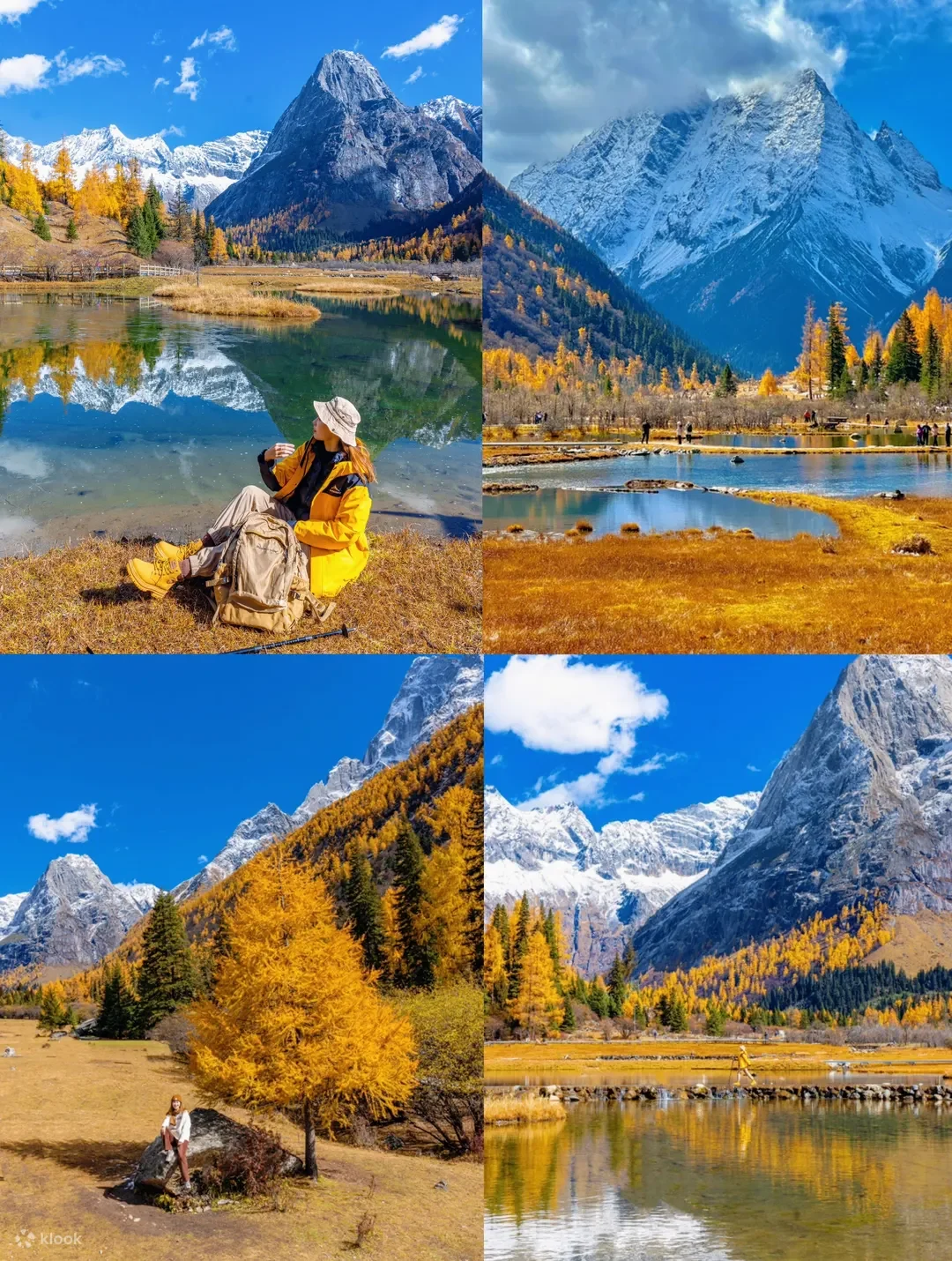
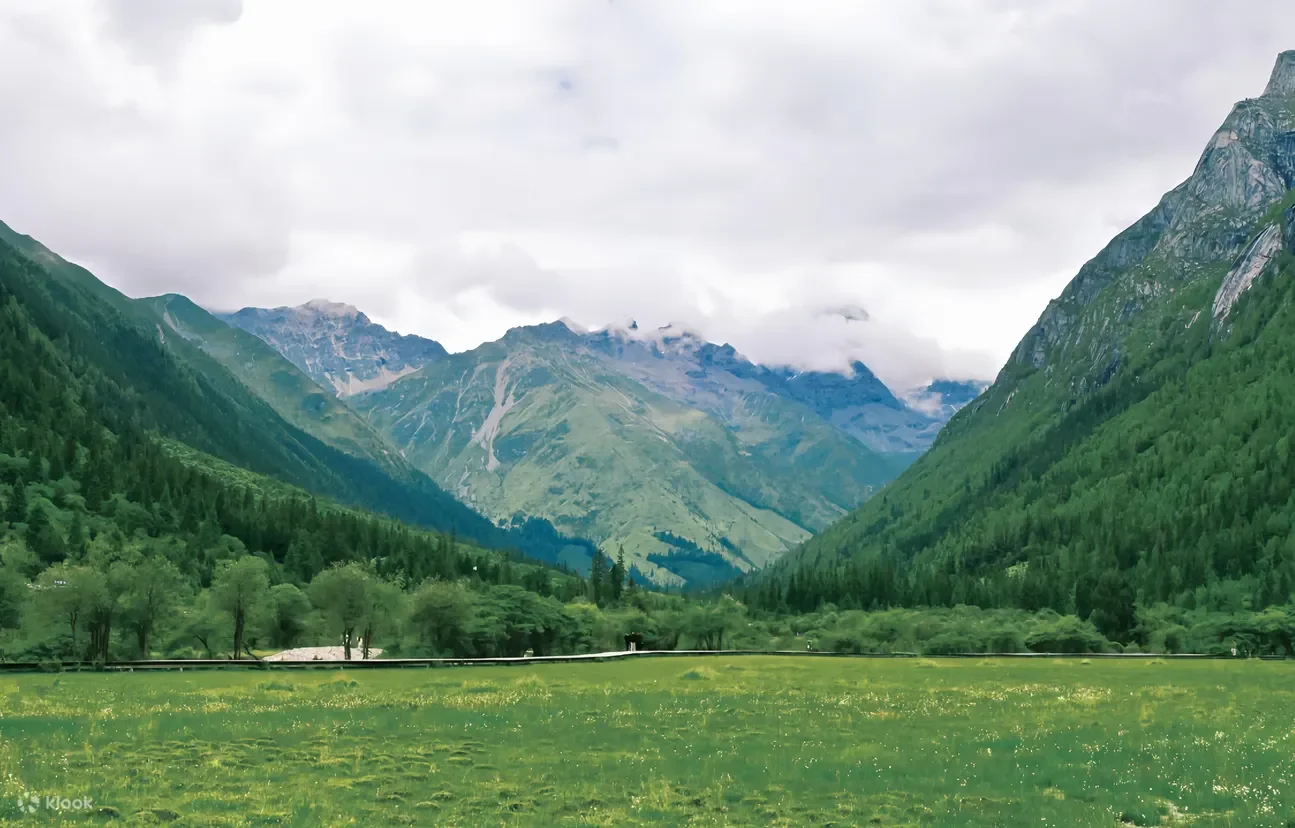
Late May to July (June especially, which is why we came during this time) for wildflowers and green meadows, or September to November (September to October especially) for autumn colours. Both are beautiful in completely different ways, so it really comes down to what kind of photos you're after. Here are some photos from Klook so you’d know what to expect:
FAQs
Can you visit Shuangqiao Valley in a day?
Yes. Most visitors, us included, cover the valley in around 5 hours using the sightseeing bus, though I'd still block out a full day if you want time to actually sit at each stop and take photos instead of rushing.
Do you need a guide for Shuangqiao Valley?
No. The sightseeing bus does the work for you, stopping at each scenic spot along the way. It's one of the few places in the region where you genuinely don't need a private driver or guide once you're inside the park.
Is Shuangqiao Valley the same as Mount Siguniang?
Not quite. Shuangqiao Valley is one of three valleys inside Mount Siguniang National Park, alongside Changping Valley and Haizi Valley. It's the largest and most accessible of the three, but you won't see the four snow peaks themselves from inside it.
How much are Shuangqiao Valley tickets?
Tickets start from SGD 37 (RM 117) on Klook, covering both entrance and the sightseeing bus. Use code EXPLORETOMAKANKLOOK or NURULMIMSYKLOOK for a discount.
Is Shuangqiao Valley suitable if I'm worried about altitude sickness?
It's one of the gentler options in the area since you're mostly on the bus rather than hiking, but the altitude still goes up to 3,850m. Come prepared with medication just in case, and oxygen stations are available at the top.
This article was written in collaboration with Klook and contains affiliate links. If you book through my Klook link, I may earn a small commission at no extra cost to you.